

Black Mold Symptoms, Identification & Safe Removal: Comprehensive Guide to Toxic Mold Health Effects and Natural Remediation
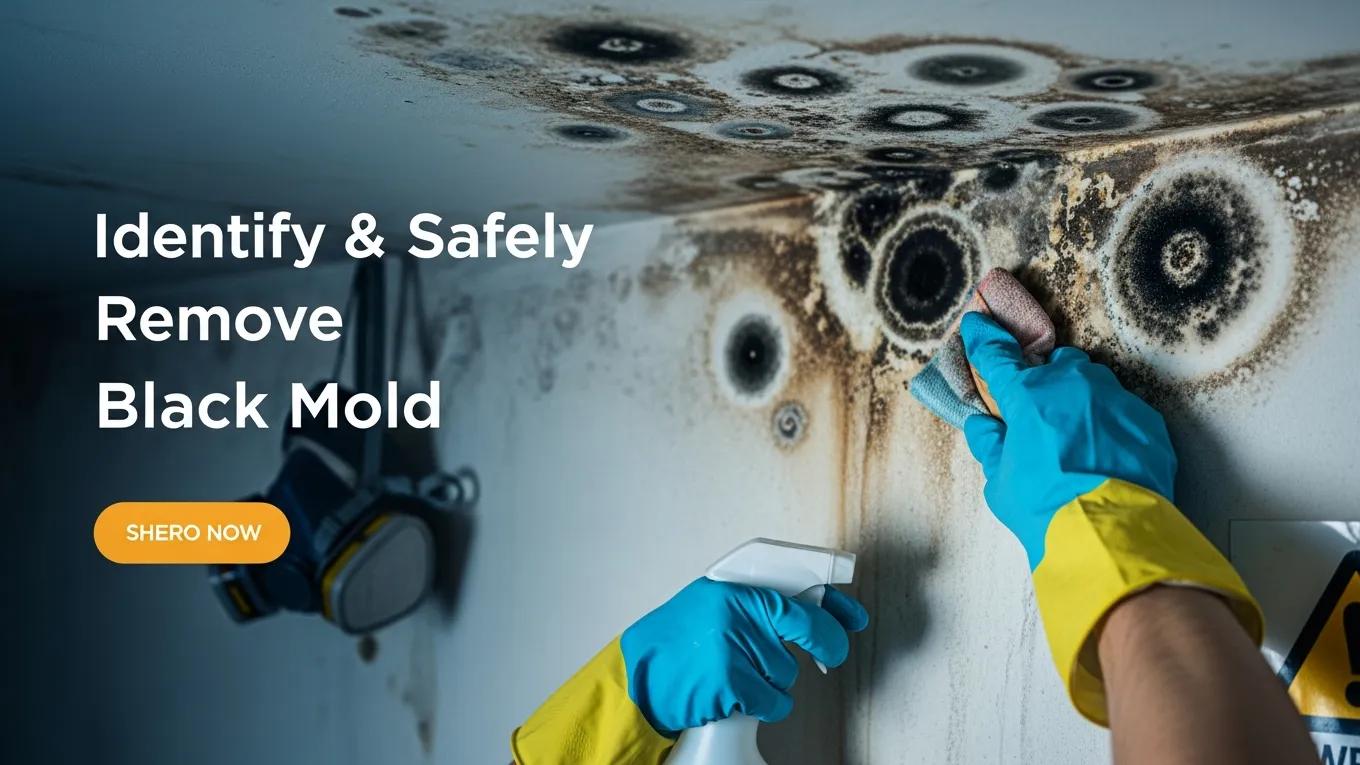
Black mold, scientifically known as Stachybotrys chartarum, is associated with health hazards in damp indoor environments. This guide summarises exposure symptoms, identification methods, and safe removal procedures, presenting clinical signs, practical identification approaches, remediation best practices, and natural treatment options. It also addresses the role of mycotoxin testing in assessing environmental safety.
Comprehensive Guide on Black Mold Symptoms, Identification, and Safe Removal
Black mold is a toxigenic species that colonises moist, humid areas such as bathrooms, basements, and spaces adjacent to leaking pipes. Contact with contaminated materials, or inhalation of spores, can produce respiratory symptoms, allergic responses, and neurological complaints. Timely identification and removal reduce exposure and related health risks.
Published studies further document serious respiratory consequences associated with Stachybotrys chartarum exposure.
Black Mold Remediation & Health Impact: Stachybotrys Chartarum
Stachybotrys chartarum is described as an indoor mold that has been associated with cases of pulmonary hemorrhage in the Cleveland, Ohio area. The study applied two quantitative methods to air samples from a residence where an infant developed pulmonary hemorrhage. Quantitative polymerase chain reaction and a protein synthesis inhibition assay were used to determine S. chartarum spore concentrations and airborne toxicity in samples taken before, during, and after remediation. The remediation programme removed contaminated wallboard, paneling, and carpeting from the water-damaged areas of the home. In addition, a sodium hypochlorite solution was applied to surfaces during remediation.
Evaluation of Stachybotrys chartarum in the house of an infant with pulmonary hemorrhage: Quantitative assessment before, during, and after remediation, 2000
Symptoms of Black Mold Exposure:
Exposure to black mold produces a variable spectrum of signs and symptoms. Common presentations include:
- Respiratory Issues: Individuals may experience coughing, wheezing, and difficulty breathing, particularly those with pre-existing respiratory conditions.
- Allergic Reactions: Symptoms such as sneezing, runny nose, and skin rashes can occur, especially in sensitive individuals.
- Neurological Symptoms: Some people report headaches, memory problems, and mood swings, which can be linked to mold toxicity.
Early recognition facilitates clinical evaluation and timely remediation to limit ongoing exposure.
Additional research documents end‑organ effects associated with Stachybotrys chartarum exposure. mycotoxin klear
Stachybotrys Chartarum Exposure: End-Organ Health Effects
This review examines health effects related to indoor mold exposure, with specific consideration of Stachybotrys chartarum. The analysis addresses potential end‑organ impacts, including pulmonary, immunologic, neurologic, and oncologic disorders.
Indoor Mold, Toxigenic Fungi, and
Stachybotrys chartarum: Infectious Disease Perspective, DM Kuhn, 2003
Identification of Black Mold:

Accurate identification is necessary for effective remediation. The following methods support safe detection of black mold in occupied spaces:
Validated identification and remediation strategies are essential for the management of Stachybotrys chartarum in damp buildings.
Stachybotrys Chartarum: Identification & Remediation Strategies
BACKGROUND: Stachybotrys chartarum is primarily associated with damp buildings. The study examines methods to characterise Stachybotrys species and reviews identification techniques and remedial strategies used in the management of S. chartarum.
Stachybotrys chartarum: its identification and response to antimicrobial treatment and prevention, 2018
- Visual Signs: Look for dark green or black patches on walls, ceilings, and other surfaces, often accompanied by a musty odour.
- Testing Methods: Professional mold testing can confirm the presence of black mold through air and surface samples.
- Safety Precautions: When inspecting for mold, wear protective gear such as gloves and masks to avoid inhaling spores.
Proper identification is the prerequisite for safe and effective remediation.
Safe Removal of Black Mold:

Mold removal requires planning and procedural controls to protect occupants and remediation personnel. Recommended steps include:
- Inspection and Testing: Before removal, conduct a thorough inspection to assess the extent of the mold growth and perform necessary testing.
- Containment and Personal Protection: Seal off the affected area to prevent spores from spreading. Use protective gear, including masks and gloves, during the removal process.
- Cleaning and Drying: Use appropriate cleaning solutions to remove mold from surfaces and ensure the area is thoroughly dried to prevent future growth.
Adherence to these procedures reduces cross‑contamination and improves remediation outcomes.
Natural Remediation Methods:
Certain natural agents can assist in controlling mold growth and may be suitable for limited applications. Common options include: mycotoxinklear
- Vinegar as a Disinfectant: Vinegar is a natural disinfectant that can help inhibit mold growth on various surfaces.
- Baking Soda for Moisture Absorption: Baking soda can absorb moisture and help prevent mold growth in damp areas.
- Hydrogen Peroxide Effectiveness: Hydrogen peroxide is effective in killing mold and can be used as a cleaning agent.
These solutions may be incorporated into routine cleaning to assist in the management of surface mold.
| Natural Method | Mechanism | Effectiveness |
|---|---|---|
| Vinegar | Kills mold spores | High |
| Baking Soda | Absorbs moisture | Moderate |
| Hydrogen Peroxide | Disinfects surfaces | High |
The table summarises mechanisms and relative effectiveness of selected natural remediation approaches.
Importance of Mycotoxin Testing:
Mycotoxin testing provides data on toxic metabolites produced by certain molds, including Stachybotrys chartarum. Detection supports exposure risk assessment and informs remediation priorities.
- Health Implications of Mycotoxins: Exposure to mycotoxins can lead to serious health issues, including respiratory problems and, in severe cases, immune system suppression.
- Testing Methods: Various testing methods, including air sampling and surface testing, can detect mycotoxins in your home.
- Link to Health Issues: Understanding the presence of mycotoxins can guide remediation efforts and protect your health.
Prioritizing mycotoxin testing enables targeted remediation and contributes to a safer indoor environment.
Frequently Asked Questions
What are the best practices for cleaning surfaces affected by black mold?
When cleaning surfaces contaminated with black mold, it is essential to wear protective gear, including gloves, goggles, and a mask. Use a mixture of water and detergent to scrub the affected area thoroughly. For non-porous surfaces, a solution of vinegar or hydrogen peroxide can be effective. After cleaning, ensure the area is dried completely to prevent future mold growth. Dispose of any contaminated materials safely, and consider using a dehumidifier to maintain low humidity levels in the environment.
How can I identify if the mold in my home is black mold?
Identifying black mold involves looking for specific characteristics. Black mold typically appears as dark green or black patches and has a musty odor. Conduct a visual inspection in damp areas like bathrooms and basements. If you suspect mold but cannot confirm it visually, consider hiring a professional for air and surface testing. They can provide accurate identification and help determine the type of mold present, ensuring appropriate remediation steps are taken.
What are the environmental conditions that promote black mold growth?
Black mold thrives in damp, humid environments with poor ventilation. Conditions such as water leaks, high humidity levels (above 60%), and inadequate airflow can create an ideal breeding ground for mold. Areas prone to condensation, like bathrooms and kitchens, are particularly vulnerable. To prevent mold growth, it is crucial to address any water damage promptly, use dehumidifiers, and ensure proper ventilation in moisture-prone areas.
Is it safe to live in a house with black mold?
Living in a house with black mold can pose significant health risks, especially for sensitive individuals such as children, the elderly, or those with pre-existing health conditions. Symptoms can range from mild allergic reactions to severe respiratory issues. If black mold is present, it is advisable to vacate the premises until proper remediation is completed. Ensuring a safe living environment is crucial for health and well-being.
What should I do if I experience health symptoms after mold exposure?
If you experience health symptoms such as coughing, sneezing, or respiratory difficulties after suspected mold exposure, it is important to seek medical attention. A healthcare professional can evaluate your symptoms and recommend appropriate treatment. Additionally, addressing the mold issue in your environment is crucial to prevent further exposure and health complications. Documenting your symptoms and any potential mold exposure can also be helpful for medical consultations.
Are there any legal obligations for landlords regarding black mold?
Landlords have a legal obligation to provide a safe and habitable living environment, which includes addressing mold issues. Depending on local laws, landlords may be required to remediate mold problems promptly and inform tenants of any known mold presence. Tenants should report mold issues to their landlords in writing and keep records of communications. If landlords fail to address mold concerns, tenants may have legal recourse, including the option to withhold rent or seek legal advice.
What are the long-term health effects of black mold exposure?
Prolonged exposure to Stachybotrys chartarum may result in chronic respiratory disorders, persistent allergic manifestations, and neurological symptoms. Individuals with asthma or compromised immune function may experience worsened outcomes. Some studies associate extended exposure with severe conditions such as pulmonary haemorrhage and other organ‑related disorders. Prompt remediation reduces the risk of long‑term effects.
How can I prevent black mold from growing in my home?
Prevent growth by controlling indoor moisture. Ensure adequate ventilation in high‑humidity areas, employ dehumidifiers where appropriate, and repair leaks promptly. Inspect basements and attics regularly. Use mold‑resistant materials and reduce clutter. Routine cleaning with appropriate disinfectants can further limit colonisation.
Are there specific groups at higher risk for mold-related health issues?
Certain populations are at elevated risk: infants, older adults, and persons with pre‑existing respiratory conditions such as asthma or chronic obstructive pulmonary disease. Immunocompromised individuals, including patients receiving chemotherapy or living with HIV/AIDS, may experience more severe reactions. These groups should adopt additional measures to minimise exposure.
What should I do if I suspect black mold in my home?
If mold is suspected, avoid disturbing the material to limit spore release. Conduct a visual assessment and, if indicated, engage a certified mold inspector for sampling. If contamination is confirmed, implement containment measures and use appropriate personal protective equipment during removal. Consider consulting a remediation specialist to ensure comprehensive removal and to address underlying moisture sources.
Can I remove black mold myself, or should I hire a professional?
Homeowners may remediate small, non‑porous surface growths using proper protective measures. For larger or widespread infestations, or if occupants have health concerns, professional remediation is recommended. Certified contractors possess specialised equipment and protocols to remove contamination and to address contributing moisture problems.
What are the signs that black mold is affecting my health?
Indicators of possible mold‑related health effects include coughing, wheezing, shortness of breath, skin rashes, headaches, fatigue, and neurocognitive symptoms such as memory impairment or mood changes. Individuals with these signs should seek medical evaluation and address potential environmental sources promptly.
For this job
Removes the stain and the organic residue underneath it, rather than bleaching the colour out and leaving the rest.


