

Research further supports the development of enzyme-based solutions as a safer, more environmentally friendly alternative to harsh chemical decontaminants for fungi and other pathogens.
Enzyme-Based Decontamination: Eco-Friendly Fungi Removal
Development of noncorrosive, cost-effective, environmentally benign, and broad-spectrum antimicrobial formulations is necessary for clinical, industrial, and domestic purposes. Many current decontaminating formulations are effective, but they require the use of strong oxidizing agents or organic solvents that have deleterious effects on human health and the surrounding environment. The emergence of antibiotic-resistant pathogens has motivated researchers to develop enzyme-based self-decontaminating formulations as alternatives to such chemical decontamination approaches. Hydrolytic and oxidative enzymes can be used to deactivate pathogens, including bacteria, spores, viruses, and fungi.
Enzyme-based formulations for decontamination: current state and perspectives, N Grover, 2013
How Do Enzyme Mold Cleaners Work to Remove Mold Naturally?

Enzyme mold cleaners operate through a mechanism that involves the breakdown of mold cell walls, effectively neutralizing the mold and preventing its regrowth. Enzymes act as biological catalysts, speeding up chemical reactions that decompose organic materials. This process is efficient and environmentally friendly, as it avoids the use of toxic chemicals that can harm both health and the environment.
What Role Do Enzymes Play in Breaking Down Mold Cell Walls?
Enzymes play a crucial role in degrading the structural components of mold cell walls, primarily through the action of specific enzymes such as cellulases and proteases. Cellulases break down cellulose, a component of some mold cell walls, while proteases target proteins that contribute to the structural integrity of the mold. This enzymatic action leads to the disintegration of mold cells, rendering them inactive and unable to reproduce.
The critical role of enzymes in breaking down fungal cell walls is further elaborated by studies demonstrating their impact on mold's structural integrity and ability to colonize.
Fungal Cell Wall Degradation by Enzymes
Cell wall degrading enzyme (CWDE) production by these strains was assessed with multiple relative enzyme activity (RA) indices. AllF. proliferatumstrains tested could hydrolyze carboxymethylcellulose (CMC), citrus pectin and starch, with different capabilities. Overall, there was a positive correlation between cellulase production and a strain’s colonization ability. Thus, CWDEs produced byF. proliferatumplay a role in the colonization of date palm leaflets and hence may be important pathogenicity factors.
Cell wall degrading enzymes and their impact on Fusarium proliferatum pathogenicity, AH Sharafaddin, 2019
Which Types of Mold Are Effectively Targeted by Enzyme Cleaners?
Enzyme cleaners are particularly effective against common household molds, including Aspergillus, Penicillium, and Cladosporium. These molds thrive in damp environments and can pose health risks, especially to individuals with respiratory issues. By targeting these specific types of mold, enzyme-based cleaners provide a safe and effective solution for mold remediation in homes and commercial spaces. For a variety of enzyme cleaner collections designed to tackle these molds, U.S. Enzymes offers specialized products.
What Are the Benefits of Using Enzyme-Based Mold Cleaners Compared to Chemical Alternatives?
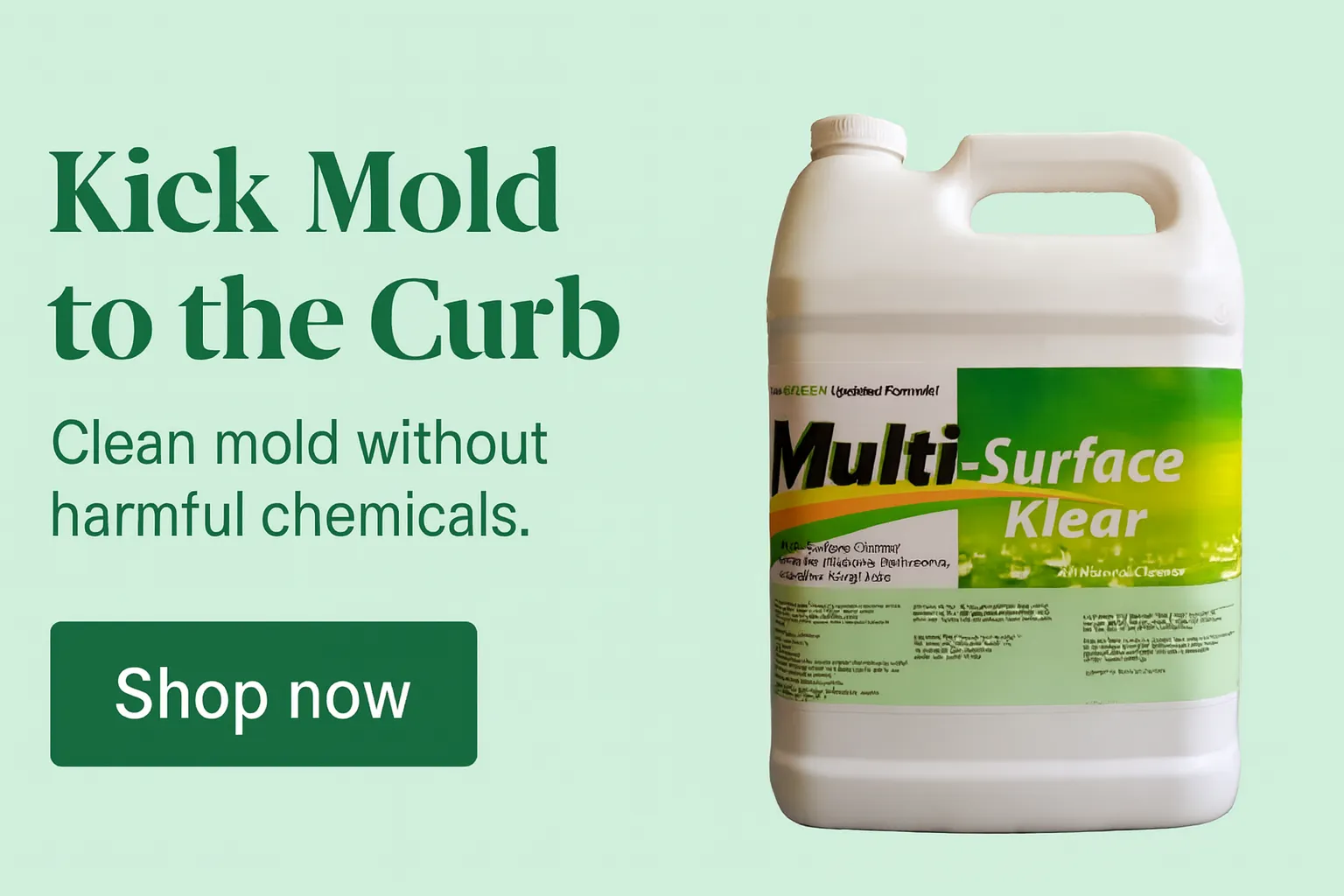
The benefits of enzyme-based mold cleaners extend beyond mold removal; they encompass health, safety, and environmental considerations. Unlike traditional chemical cleaners, enzyme cleaners do not release harmful fumes or leave toxic residues, making them safer for indoor use.
- Health Benefits: Enzyme cleaners reduce the risk of respiratory issues associated with chemical exposure, providing a safer alternative for sensitive individuals.
- Environmental Safety: These cleaners are biodegradable and do not contribute to environmental pollution, aligning with eco-friendly practices.
- Effectiveness: Enzyme cleaners not only remove visible mold but also help break down mold spores, preventing future mold growth.
How Do Enzyme Cleaners Support Health and Environmental Safety?
Enzyme cleaners support health and environmental safety by utilizing natural processes that do not involve toxic substances. This means that homes treated with enzyme cleaners remain free from harmful chemical residues, making them safer for children, pets, and individuals with allergies or asthma. Furthermore, the biodegradable nature of these products ensures that they do not harm the environment, contributing to sustainable cleaning practices.
Why Are Enzyme Mold Removal Products Considered Eco-Friendly and Biodegradable?
Enzyme mold removal products are considered eco-friendly because they are derived from natural sources and do not contain synthetic chemicals. The enzymes used in these products are biodegradable, meaning they break down into harmless substances after use. This characteristic minimizes environmental impact and aligns with the growing consumer demand for sustainable cleaning solutions.
The broader scientific community also recognizes enzyme-oriented strategies as a rapid, eco-sustainable, and socially acceptable approach for mitigating various environmental contaminants.
Eco-Sustainable Enzyme Strategies for Contaminant Degradation
In this juncture, enzyme-oriented strategies are rapid, eco-sustainable, and socially acceptable and thus have been intensely examined for the mitigation and transformation of a vast array recalcitrant organic contaminants. In this chapter, an effort has been made to present an overview of the microbial-derived peroxidases (lignin peroxidase, manganese peroxidase, chloroperoxidase), and laccases in degrading toxic, mutagenic, carcinogenic, and hazardous environmental contaminants.
Enzyme-oriented strategies to mitigate polluting agents from environment, M Bilal, 2021
How Should You Apply Enzyme Cleaners for Effective Mold Remediation?
To achieve optimal results with enzyme cleaners, proper application techniques are essential. These products should be applied directly to the affected areas, allowing sufficient time for the enzymes to break down the mold effectively.
What Are the Best Practices for Using Enzyme Mold Cleaners Safely?
Best practices for using enzyme mold cleaners include:
- Pre-cleaning: Remove any visible mold with a damp cloth before applying the cleaner.
- Application: Spray the enzyme cleaner generously on the affected area and allow it to sit for the recommended time to maximize effectiveness. For interior mold cleaning, products like MoldStainKlear™ Interior Spray are ideal.
- Ventilation: Ensure the area is well-ventilated during application to enhance safety and effectiveness.
Can Enzyme Cleaners Be Used Around Pets and Sensitive Environments?
Yes, enzyme cleaners are generally safe to use around pets and in sensitive environments. Their non-toxic formulation makes them an ideal choice for households with animals or individuals who may be sensitive to harsh chemicals. However, it is always advisable to follow the manufacturer's instructions to ensure safety during application. For pet-safe options, consider products like Pet Safe Mold Cleaner available in the U.S. Enzymes product line.
What Are the Key Features of Enzyme Mold Removal Products Offered by U.S. Enzymes?
U.S. Enzymes specializes in enzyme-based products designed for effective mold remediation. Their offerings include a range of formulations tailored to different cleaning needs. Explore their full collection of professional mold stain removal products for comprehensive solutions.
Which Enzyme Formulations Are Designed Specifically for Mold Degradation?
U.S. Enzymes provides several enzyme formulations designed for mold degradation, including:
- Mold Buster: An enzyme cleaner that targets a wide range of mold types.
- Eco-Mold Remover: A biodegradable option that is safe for both indoor and outdoor use.
- Pet Safe Mold Cleaner: Formulated to be non-toxic and safe for use around pets.
How Do U.S. Enzymes’ Products Align with Natural Mold Remediation Trends?
U.S. Enzymes’ products align with the trend towards natural mold remediation by emphasizing the use of biological solutions over chemical ones. This approach meets consumer demand for eco-friendly products and supports a healthier living environment. Their commitment to sustainability and effectiveness positions them as contributors in the enzyme-based cleaning market. For more on their approach to enzyme-based remediation solutions, visit their website.
How Do Enzyme-Based Mold Cleaners Compare to Traditional Chemical Mold Cleaners?
When comparing enzyme-based mold cleaners to traditional chemical options, several key differences emerge. Enzyme cleaners utilize biological processes to break down mold, while chemical cleaners often rely on harsh substances that can be harmful to health and the environment.
What Are the Differences in Mold Removal Mechanisms?
The primary difference in mold removal mechanisms lies in the approach: enzyme cleaners break down mold at a cellular level, while chemical cleaners typically kill mold on contact. This means that enzyme cleaners not only remove visible mold but also help degrade mold spores, providing a more comprehensive solution. Products like Multi-Surface Klear offer versatile enzyme cleaning for various surfaces.
Why Choose Biological Mold Cleaners Over Harsh Chemical Alternatives?
Choosing biological mold cleaners over harsh chemical alternatives offers numerous advantages, including:
- Safety: Reduced risk of chemical exposure and associated health issues.
- Effectiveness: Comprehensive mold removal that targets both visible mold and spores.
- Environmental Impact: Biodegradable formulations that do not contribute to pollution.
Where Can Consumers Find Reliable Information and Purchase Eco-Friendly Enzyme Mold Cleaners?
Consumers looking for reliable information and eco-friendly enzyme mold cleaners can explore various resources, including manufacturer websites and product reviews.
What Resources Explain Enzyme Cleaner Safety and Effectiveness?
Several resources provide valuable insights into the safety and effectiveness of enzyme cleaners, including:
- Manufacturer Websites: Detailed product information and safety data sheets, such as those found on the U.S. Enzymes product collection.
- Consumer Reviews: Feedback from users who have successfully used enzyme cleaners.
- Research Studies: Scientific studies demonstrating the efficacy of enzyme-based cleaning solutions.
How to Select the Right Enzyme Mold Cleaner for Your Needs?
When selecting the right enzyme mold cleaner, consider the following criteria:
- Specificity: Choose a product designed for the type of mold you are dealing with.
- Formulation: Look for biodegradable and non-toxic options for safety.
- Application Method: Ensure the product is easy to apply and suitable for your cleaning needs.
Different enzyme-based mold cleaners offer unique benefits and features that cater to various cleaning requirements. By understanding these differences, consumers can make informed choices that align with their health and environmental values. For specialized treatments, such as mycotoxin remediation, products like MycotoxinKlear provide targeted solutions.
| Product Name | Key Features | Benefits |
|---|---|---|
| Mold Buster | Targets a wide range of mold types | Effective and versatile |
| Eco-Mold Remover | Biodegradable formulation | Safe for indoor and outdoor use |
| Pet Safe Mold Cleaner | Non-toxic and safe for pets | Ideal for households with animals |
This table highlights the distinct features and benefits of enzyme-based mold cleaners offered by U.S. Enzymes, showcasing their commitment to effective and safe mold remediation solutions.
Frequently Asked Questions
What are the potential health risks associated with traditional chemical mold cleaners?
Traditional chemical mold cleaners often contain harsh substances that can pose significant health risks. Prolonged exposure to these chemicals can lead to respiratory issues, skin irritations, and other health problems, particularly for sensitive individuals such as children, the elderly, or those with pre-existing conditions. Additionally, the fumes released during application can exacerbate asthma and allergies. In contrast, enzyme-based cleaners provide a safer alternative, minimizing these health risks while effectively removing mold.
How long does it take for enzyme cleaners to effectively remove mold?
The time required for enzyme cleaners to effectively remove mold can vary based on several factors, including the type of mold, the extent of the infestation, and the specific product used. Generally, enzyme cleaners need to be applied and left to sit for a period ranging from 30 minutes to several hours to allow the enzymes to break down the mold effectively. For optimal results, it's essential to follow the manufacturer's instructions regarding application time and methods.
Can enzyme cleaners prevent future mold growth?
Yes, enzyme cleaners can help prevent future mold growth. By breaking down mold spores and their cell walls, these cleaners not only eliminate existing mold but also reduce the likelihood of regrowth. The enzymes continue to work on organic matter that may promote mold development, creating an environment less conducive to mold proliferation. Regular use of enzyme cleaners in damp areas can significantly lower the chances of mold returning.
Are enzyme mold cleaners safe for use on all surfaces?
While enzyme mold cleaners are generally safe for a variety of surfaces, it is essential to check the product label for specific surface compatibility. Most enzyme cleaners are effective on non-porous surfaces like tiles, glass, and plastic, as well as some porous materials. However, for delicate surfaces such as certain fabrics or finishes, it is advisable to conduct a patch test first. Always follow the manufacturer's guidelines to ensure safe and effective use.
What should I do if enzyme cleaners do not completely remove the mold?
If enzyme cleaners do not completely remove the mold, it may be necessary to reapply the product or use a different cleaning method. Ensure that the cleaner was applied correctly and allowed sufficient time to work. In cases of severe mold infestations, professional remediation may be required. Additionally, addressing the underlying moisture issue is crucial to prevent mold from returning, as mold thrives in damp environments.
How do enzyme cleaners compare in cost to traditional chemical cleaners?
Enzyme cleaners may have a higher upfront cost compared to traditional chemical cleaners; however, they often provide better long-term value. Their effectiveness in breaking down mold and preventing regrowth can reduce the need for frequent applications, ultimately saving money over time. Additionally, the health and environmental benefits associated with enzyme cleaners can outweigh the initial investment, making them a cost-effective choice for consumers prioritizing safety and sustainability.
Where can I find more information about enzyme mold cleaners?
For more information about enzyme mold cleaners, consumers can visit manufacturer websites, such as U.S. Enzymes, which provide detailed product descriptions, safety data sheets, and user reviews. Additionally, scientific studies and articles on enzyme-based cleaning solutions can offer insights into their effectiveness and safety. Online forums and consumer review platforms can also be valuable resources for personal experiences and recommendations regarding specific products.
For this job
Our core enzyme cleaner — the category this article describes, in its most-used form.


