

Mycotoxins, the toxic byproducts of mold linked to neurological health issues, embed deep in fabric fibers, so standard detergent alone won't eliminate them permanently. Treat clothes with a plant-based enzyme blend combined with clove oil before rewashing—enzymes break down the mold residue at its source, eliminating odor for good rather than masking it temporarily.
Key Takeaways
- Mold and mildew produce mycotoxins, toxic byproducts that cause neurological health issues in exposed individuals.
- Rewashing clothes with plant-based enzymes effectively breaks down mildew odors at the molecular level.
- US Enzyme's formulation includes clove oil and plant enzyme blends specifically targeting mold-related odors.
- Prompt laundry attention within 24 hours prevents mildew spores from permanently embedding into fabric fibers.
What Causes Musty Smell in Laundry?
High humidity levels create conditions where mildew takes hold in stored or damp garments. Families living in humid climates or storing laundry in poorly ventilated rooms face a higher risk of recurring odor problems. Moisture is the trigger, and once it lingers, the clock starts ticking on fabric damage.
Wet clothes left sitting for extended periods present the most common cause of household mildew smell. A washer cycle that finishes and goes unattended for even a few hours gives moisture the time it needs to settle into fibers. Mildew forms during that window, and the resulting odor often survives a standard rewash.
Is Mildew the Same as Mold?
Mildew belongs to the same fungal family as mold, which explains the shared musty scent. Both organisms colonize organic material, including cotton, wool, and synthetic blends, whenever dampness persists long enough. Distinguishing between the two matters less than addressing the underlying moisture problem quickly.
Why Does Mildew Smell Signal More Than a Dirty Load?
Mold and mildew growth generates mycotoxins, toxic byproducts linked to neurological health issues. A musty smell in laundry, then, is not merely cosmetic; it flags biological activity worth taking seriously.
Common contributors include:
- Damp clothes stored in gym bags or hampers without airflow
- Front-load washers with trapped moisture in the door seal
- Wet towels folded and shelved before fully drying
- Basement or humid closet storage of clean laundry
Recognizing these conditions helps families intervene before mildew embeds itself in fabric and becomes far harder to remove from towels, activewear, and everyday clothing.
What Tools Remove Mold From Fabric?
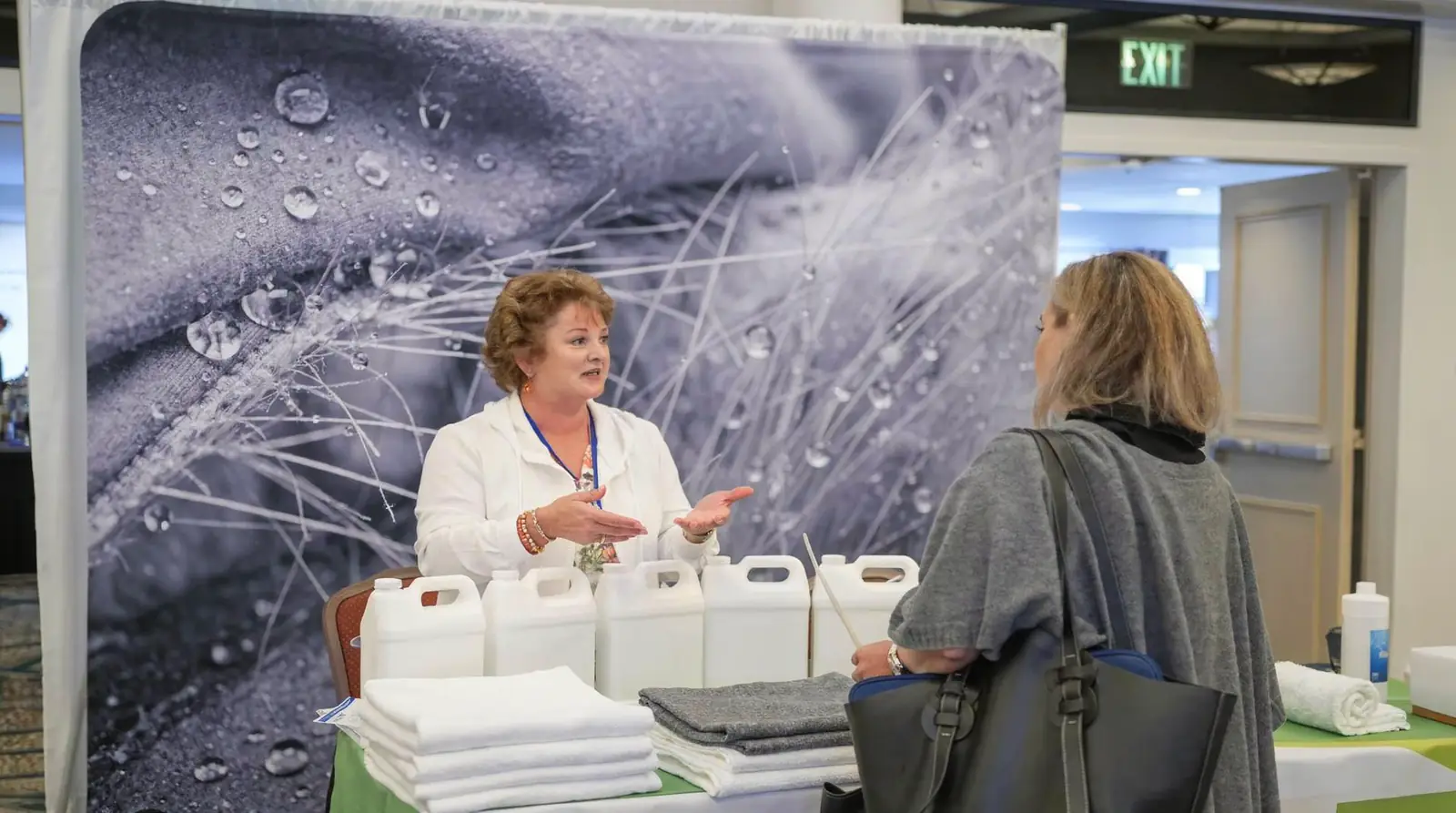
Plant-based enzyme formulas provide the most effective method to remove mold from fabric without damaging fibers or introducing harsh chemical residue. Enzymes function as biological catalysts, speeding up the specific chemical reactions needed to dismantle mold structures clinging to cotton, synthetic blends, and delicate activewear fabric. Bleach and other harsh agents attack fabric dye and elastic fibers, weakening garments over repeated washes. Enzyme-based products target only the organic material causing the problem.
How Do Enzymes Actually Elevator Mold Out of Clothing?
Enzymes target the organic components that make up mold and certain mycotoxins, breaking those structures down at a molecular level. Once broken apart, the residue releases from fabric fibers instead of embedding deeper with each wash cycle. This makes enzyme treatment a practical option for households facing mildew smell in clothes that ordinary detergent cycles fail to resolve.
Families searching for a reliable enzyme laundry detergent for mildew should look for formulas built on plant-derived ingredients rather than synthetic surfactants alone. US Enzyme laundry solutions rely on plant-based enzymes. Essential oils, avoiding the harsh chemical load found in many conventional stain removers. This composition supports fabric integrity over time, an important factor for households washing towels and activewear repeatedly.
Ingredient transparency matters for chemically sensitive households. Exempt ingredients used in these formulations include:
- Plant Enzyme Blend
- Sodium Chloride
- Potassium Sorbate
- Clove Oil
- Lauryl Sulfate
What Causes Musty Smell in Laundry Even After Washing?
Musty smell in laundry typically signals that mold or mildew organisms survived the wash cycle rather than fully rinsing away. Standard detergent often masks odor temporarily without breaking down the underlying organic residue. Enzyme treatment addresses the source directly, which matters most when trying to get mildew smell out of towels that trap moisture between uses.
How Do You Wash Away Mildew Odor?
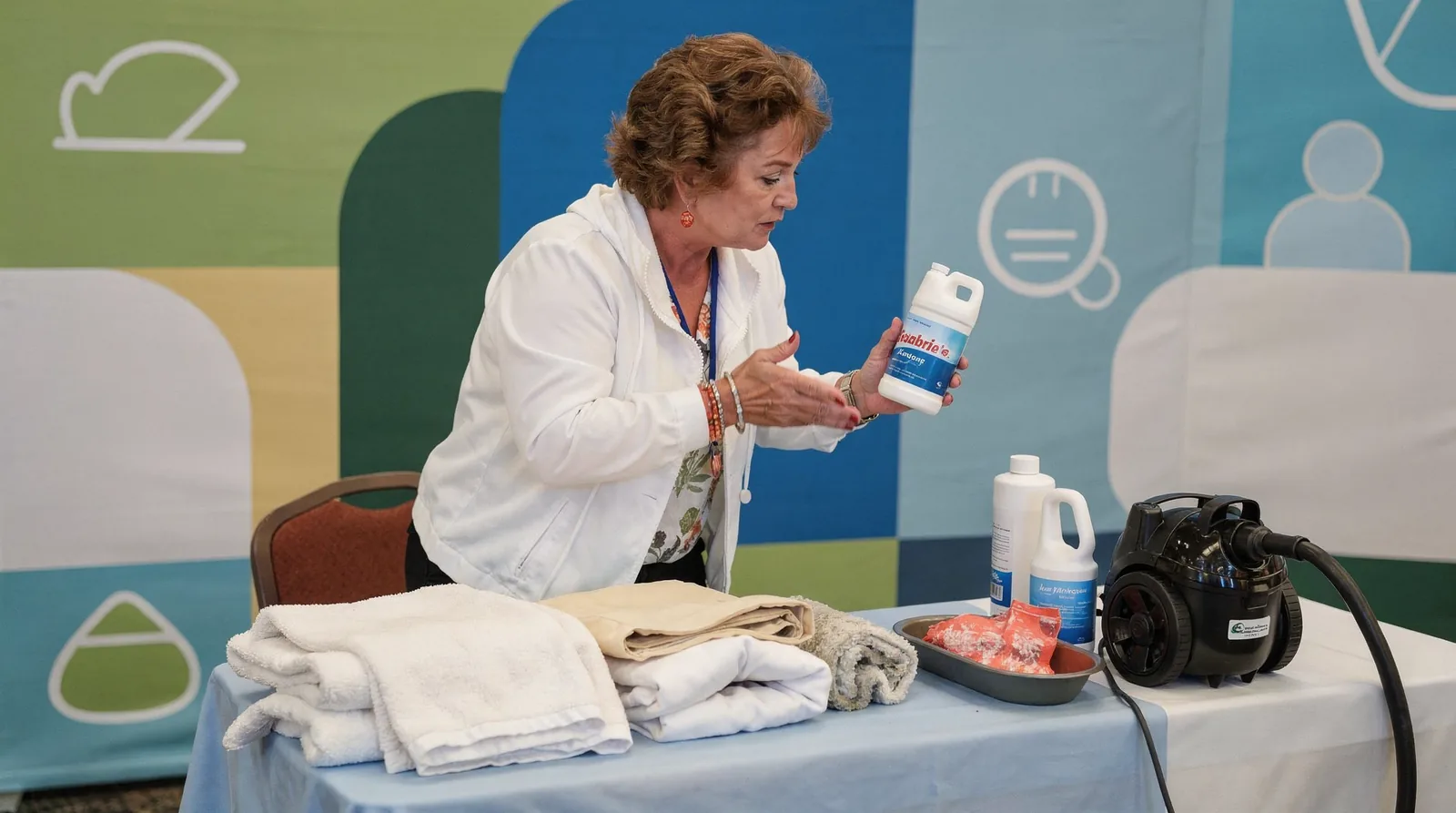
Washing away mildew odor requires a targeted wash cycle plus a cleaning agent that dismantles the fungal source, not just a scent that covers it. A standard detergent cycle often fails because it cleans the fabric surface while leaving mold structures. Mycotoxin residue embedded in the fibers. An enzyme laundry detergent for mildew addresses that gap directly, breaking down the organic material causing the smell rather than masking it with fragrance.
For households dealing with recurring musty odors, the following sequence outlines a dependable process:
- Check the washer drum immediately after each cycle ends; letting a finished load sit, even overnight, allows mildew to set into fabric before it ever reaches the dryer.
- Pretreat visibly stained or heavily scented items with an enzyme-based cleaner, applying it directly to affected areas before washing.
- Run a full wash cycle using warm water and the enzyme detergent as the primary cleaning agent.
- Air-dry or low-heat dry the load; high heat can set any remaining odor compounds before the enzymes finish working.
- Re-inspect fabric before storage, since lingering must indicates the cycle needs repeating.
Why does an enzyme detergent work better than regular detergent for mildew?
Enzymes function as biological catalysts, targeting the specific organic compounds that make up mold and certain mycotoxins. Regular detergent surfactants elevator dirt and oils but leave those fungal structures largely intact, which explains why mildew smell in clothes often returns within days of a normal wash.
Are enzyme-based cleaners safe for sensitive skin or allergies?
Enzyme formulas offer a lower-toxicity option compared to bleach-heavy treatments. They remove visible mold and help neutralize underlying spores without aggressive chemical exposure. Interest in enzyme-based formulas continues to grow as households. Remediation professionals look for effective, environmentally sound alternatives for decontaminating fungi and related pathogens.
How Do You Treat Towels and Activewear?
Thick terry loops and moisture-wicking performance fibers trap odor-causing spores deep inside their weave. Standard detergent alone rarely finishes the job. Enzyme-based treatments offer a natural, low-impact alternative to harsh chemical cleaners, making them well suited to the dense fabric structure of towels and workout gear. Homeowners searching for how to get mold out of clothes made from these materials need a method built for absorbency, not just surface cleaning.
Why Do Towels Hold Onto Musty Smells Longer Than Other Fabrics?
Terry cloth and synthetic activewear hold water inside their fibers long after a wash cycle ends. That trapped moisture feeds mold growth and locks in mildew smell in clothes that a quick rinse cannot reach. A towel pulled from a closed hamper smelling sour often signals more than a missed laundry day. It can point to a deeper moisture problem building inside the fabric itself.
Treating these items effectively means working an enzyme laundry detergent for mildew into a repeatable routine rather than a one-time fix. Follow this sequence:
- Pretreat visibly stained or heavily soiled spots with an enzyme cleaner before loading the washer.
- Wash on the hottest setting the fabric label allows to help the enzymes break down organic residue.
- Skip fabric softener, since it coats fibers and blocks enzymatic contact with trapped spores.
- Air-dry fully in direct sunlight or finish with a complete dryer cycle to eliminate leftover moisture.
- Repeat the treatment on any load that still smells musty after drying, since embedded odor rarely clears on the first pass.
Once mildew odor sets into absorbent material, it becomes remarkably stubborn, resisting a standard wash cycle on its own. That resistance is exactly why enzyme formulations matter for musty smell in laundry involving towels: they target the organic matter causing the smell rather than masking it. For anyone working to remove mold from fabric. get mildew smell out of towels for good, consistent enzyme treatment paired with full drying delivers a more reliable outcome than detergent alone.
Why Does Mildew Smell Keep Coming Back?
Mildew odor returns when mold spores survive inside a washing machine or hamper and reinfect each new load. A single wash cycle rarely reaches every surface where spores hide, so the smell reappears within days. Untreated washer drums, rubber gaskets, and damp laundry baskets act as ongoing reservoirs rather than one-time trouble spots.
Mold Control, an enzyme-based barrier product, dries into an invisible antimicrobial layer that encapsulates mold spores on these surfaces. Unlike a typical wash-and-rinse treatment, it keeps working after it dries. Protection does not end once the cycle finishes. Families dealing with musty smell in laundry issues often find that cleaning fabric alone leaves the machine itself as the real source of reinfection.
Is a Barrier Spray the Same as a Stain Remover?
No. This type of barrier product is preventive, applied after cleaning rather than in place of it. It complements an enzyme laundry detergent for mildew rather than replacing the wash step. It does not elevator existing stains or odors from fabric.
Where Should Families Apply It?
Families should treat a surface only after it has already been cleaned, targeting washer drums, hampers, and other damp zones prone to regrowth. This stops mold from re-establishing itself in areas that touch clean laundry. Because the formulation requires personal protective equipment during application, careful handling matters, especially in enclosed laundry rooms.
FAQ
How do you get rid of mildew smell in clothes permanently?
Treat clothes with a plant-based enzyme blend combined with clove oil before rewashing. Enzymes break down mold residue at the molecular level, eliminating odor at its source instead of masking it temporarily.
Why does regular detergent fail to remove mildew odor?
Mycotoxins embed deep in fabric fibers, so standard detergent alone doesn't eliminate them permanently. Enzyme-based products target only the organic material causing the smell, unlike detergent that cleans surface-level dirt.
Is mold smell in laundry actually harmful?
Yes—mold and mildew growth generates mycotoxins, toxic byproducts linked to neurological health issues. A musty smell signals biological activity worth addressing quickly, not just a cosmetic laundry issue.
Conclusion
In closing, eliminating mold and mildew odor from clothing requires a systematic approach combining proper cleaning, thorough drying, and targeted treatment of affected fabrics. By addressing both visible mold and the underlying mycotoxins that produce persistent odors, you restore garments to a genuinely fresh state rather than masking the problem. Enzyme-based solutions offer a natural, effective pathway to break down organic matter at its source, delivering results that align with both fabric care and household health priorities.
For this job
Breaks down what causes the smell rather than perfuming over it, so it does not come back on the next wash.


